
Understanding the Causes of Common Medical Conditions
Technology has fundamentally reshaped how we understand, diagnose, and treat disease. Where physicians once relied almost exclusively on observation and intuition, modern medicine now leverages genomics, imaging, machine learning, and vast datasets to trace the origins of common conditions with unprecedented precision. Yet even as our tools grow more sophisticated, the underlying causes of the ailments that affect millions remain a complex interplay of genetics, environment, behavior, and biology. This article examines the roots of several widespread medical conditions, exploring how technological innovation is illuminating pathways that were once opaque.
Why Causation Matters in Modern Medicine
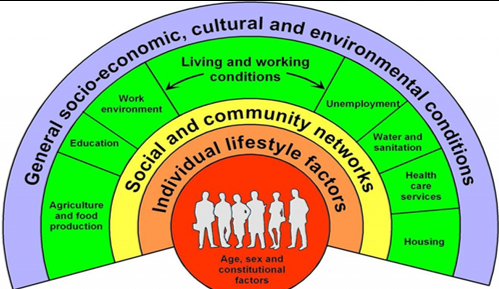
Identifying the cause of a disease is not merely an academic exercise. It determines whether treatment targets symptoms or sources, whether prevention is possible, and whether populations or individuals bear the greatest risk. A condition driven primarily by genetics demands a different response than one rooted in lifestyle, infection, or environmental exposure.
Historically, medicine progressed by linking observable patterns to probable causes. John Snow’s investigation of cholera in 1850s London, for instance, connected contaminated water to disease long before the bacterium was identified. Today, technologies such as whole-genome sequencing, wearable biosensors, and electronic health records allow researchers to detect causal relationships at a scale Snow could never have imagined. This shift has produced both clarity and humility: many conditions once attributed to a single culprit are now understood as multifactorial.
Cardiovascular Disease: A Convergence of Factors
Cardiovascular disease remains the leading cause of death worldwide, and its causes illustrate the layered nature of modern medical understanding. At the biological level, atherosclerosis—the buildup of plaque in arterial walls—drives most heart attacks and strokes. But what initiates and accelerates that process?
Genetic Predisposition
Certain gene variants, including those affecting LDL receptor function and lipoprotein(a) levels, substantially raise risk. Familial hypercholesterolemia, a genetic disorder affecting roughly 1 in 250 people, can cause severe cardiovascular disease in early adulthood if untreated.
Behavioral and Environmental Contributors
Smoking, physical inactivity, poor diet, chronic stress, and excessive alcohol consumption all contribute to arterial damage and metabolic dysfunction. Air pollution, particularly fine particulate matter, has emerged as a significant environmental cause, with studies linking long-term exposure to increased cardiac events.
Metabolic Syndrome as an Amplifier
Conditions such as hypertension, type 2 diabetes, and obesity rarely operate in isolation. Together they form metabolic syndrome, a cluster that multiplies cardiovascular risk far beyond the sum of its parts. Technology now allows clinicians to monitor these interrelated markers continuously through connected devices, enabling earlier intervention.
Type 2 Diabetes: When Systems Fail Gradually
Type 2 diabetes offers a clear example of a condition with no single cause. Its development involves the gradual failure of insulin sensitivity and pancreatic beta-cell function, influenced by:
- Genetics: More than 400 genetic variants have been associated with altered diabetes risk.
- Obesity and visceral fat: Excess fat, particularly around organs, promotes inflammation and insulin resistance.
- Sedentary lifestyle: Reduced physical activity impairs glucose uptake by muscles.
- Dietary patterns: High intake of refined sugars and processed foods exacerbates metabolic strain.
- Sleep disruption: Chronic sleep deprivation alters hormone regulation and glucose metabolism.
Machine learning models trained on large population datasets can now predict diabetes onset years before clinical diagnosis, offering a window for preventive care that was previously unavailable.
Cancer: Uncontrolled Growth and Its Triggers
Cancer arises when cells accumulate genetic mutations that allow unchecked division and survival. The causes of these mutations vary widely across cancer types.
| Genetic inheritance | BRCA1/BRCA2 mutations | Breast, ovarian, prostate |
| Environmental exposure | Asbestos, ultraviolet radiation, tobacco smoke | Lung, skin, bladder |
| Infectious agents | HPV, hepatitis B and C, H. pylori | Cervical, liver, stomach |
| Lifestyle factors | Obesity, alcohol, poor diet | Colorectal, esophageal, pancreatic |
Advances in genomic sequencing now allow tumors to be profiled at the molecular level, revealing the specific mutations driving each patient’s disease. This has transformed cancer from a single diagnosis into dozens of genetically distinct conditions, each with its own causal fingerprint.
Alzheimer’s Disease: The Search for a Root Cause
Alzheimer’s disease remains one of medicine’s most stubborn puzzles. The hallmarks—amyloid plaques and tau tangles—are well documented, but whether they cause the disease or result from it continues to be debated.
Current evidence points to several converging factors:
Neuroimaging technologies and biomarker assays now enable detection years before symptoms appear, shifting the focus from treatment to prevention.
The Role of Technology in Uncovering Causes
Modern causal research depends on tools that did not exist a generation ago. Artificial intelligence identifies patterns across millions of patient records. Genomic editing allows researchers to test hypotheses directly in cellular models. Digital epidemiology tracks disease spread and environmental triggers in real time.
Yet technology also reveals complexity. Many common conditions arise from interactions—gene-environment, gene-gene, and behavior-biology—that resist simple explanation. The future of causation research lies not in finding single causes but in mapping networks of influence and intervening at the most effective points.
Conclusion
Understanding the causes of common medical conditions requires patience, precision, and a willingness to embrace complexity. Cardiovascular disease, diabetes, cancer, and Alzheimer’s each emerge from overlapping genetic, environmental, and behavioral factors. Technology has not simplified this picture; it has made it more detailed and more actionable. For clinicians and patients alike, the goal is no longer to assign blame to one cause but to understand the system well enough to change its trajectory.