



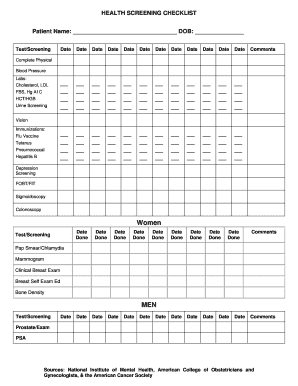
Preventive healthcare represents one of the most powerful tools available to women seeking to protect their long-term wellbeing. While advances in medical technology continue to reshape how clinicians detect and treat disease, the fundamental principle remains unchanged: early identification saves lives. (more…)
Blog
-

What Patients Should Know Before Taking a New Medicine
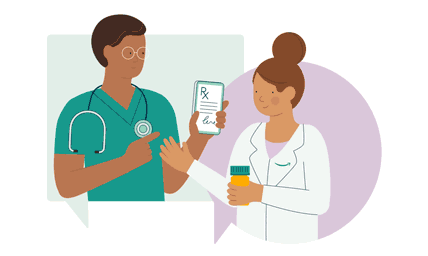
Receiving a prescription for a new medication is a routine moment in modern healthcare, yet it is anything but trivial. Every pharmaceutical product, from a common antibiotic to a specialized biologic, carries a unique profile of benefits, risks, and interactions. For patients, the difference between a safe therapeutic experience and a harmful one often comes down to preparation and understanding. (more…)
-

The Architecture of Illness: Understanding the Risk Factors Behind Common Diseases
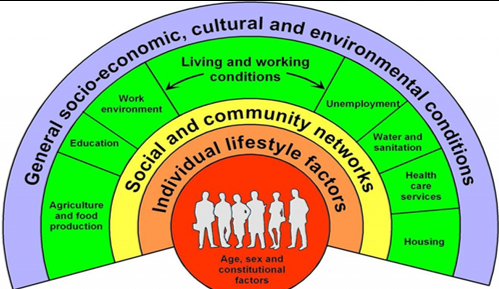
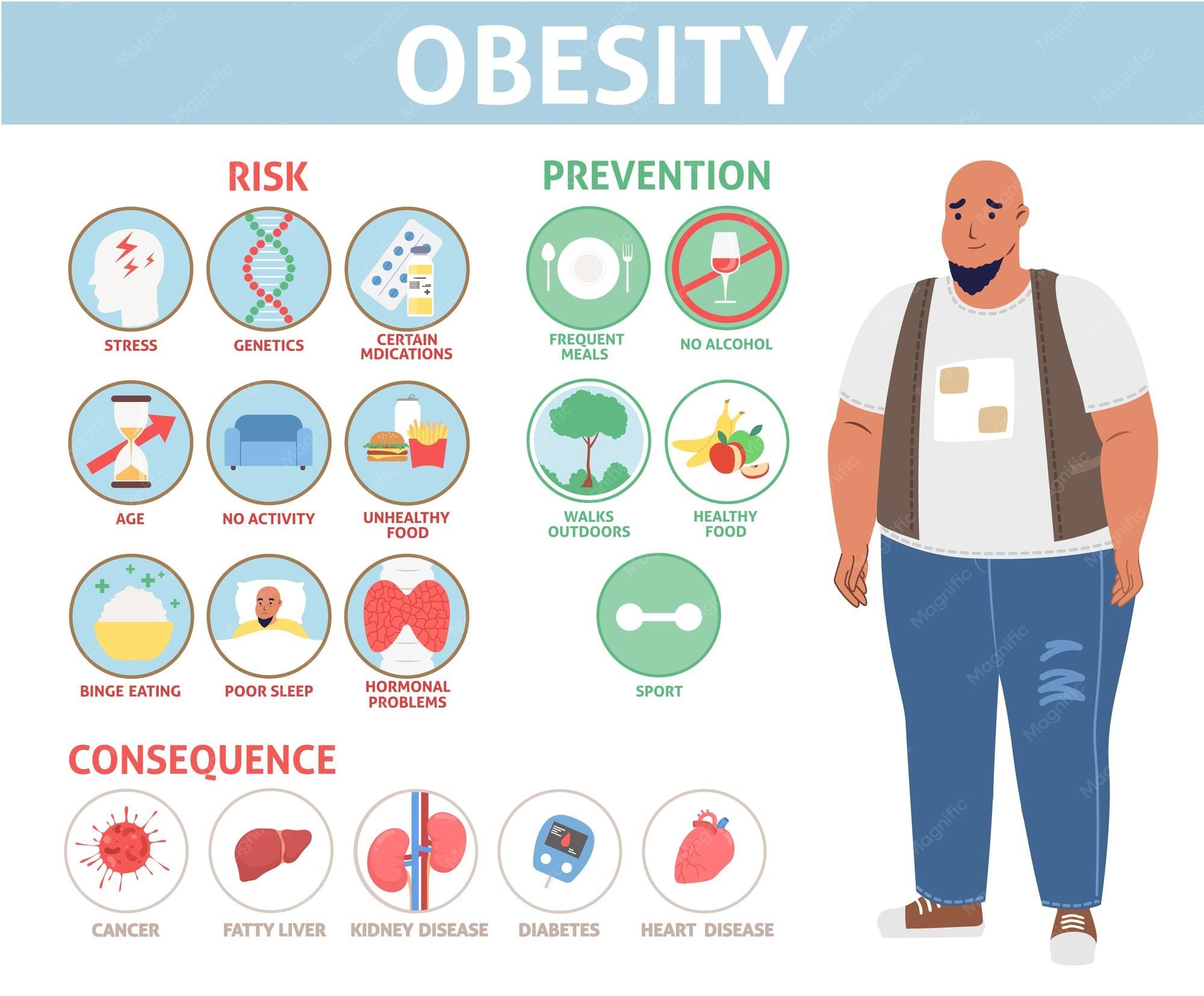
In the era of precision medicine and data-driven diagnostics, understanding disease no longer relies on isolated symptoms or reactive treatment. Modern healthcare technology has reframed illness as the predictable output of intersecting variables — genetic predisposition, environmental exposure, behavioral patterns, and metabolic function. (more…)
-

How Early Detection Can Improve Health Outcomes
In modern healthcare, the difference between a manageable condition and a life-threatening crisis often comes down to a single factor: time. Early detection—identifying disease before symptoms manifest or before a condition progresses—has emerged as one of the most powerful levers for improving patient outcomes. (more…)
-

Generic vs Brand-Name Medicines: Key Differences
In the modern healthcare and pharmaceutical landscape, few topics generate as much discussion among patients, pharmacists, and technology developers as the choice between generic and brand-name medicines. For technology professionals building health platforms, e-commerce pharmacies, or telemedicine applications, understanding the underlying science and economics of this distinction is essential. (more…)
-

How Medical History Helps With Diagnosis: The Data Layer Behind Clinical Decision-Making
In modern clinical practice, diagnosis is rarely a single moment of insight. It is a process of accumulation, correlation, and elimination — and the substrate on which that process runs is the patient’s medical history. For physicians, nurses, and the health technology teams building the systems they rely on, understanding how medical history helps with diagnosis is not an academic exercise. (more…)
-

How Mental Health Treatment Plans Are Developed
Mental health treatment is not a one-size-fits-all endeavor. Unlike a straightforward prescription for an antibiotic, psychological care must account for a complex interplay of biology, environment, personal history, and individual goals. The tool that makes this personalization possible is the treatment plan. (more…)
-

Why Early Mental Health Support Matters: A Technical and Human Perspective
In an era defined by always-on connectivity, distributed workforces, and algorithmic pressure, mental health has evolved from a peripheral HR concern into a core component of organizational resilience and individual performance. For technology professionals, the stakes are particularly high. The same cognitive faculties that drive innovation—focus, problem-solving, sustained attention—are the first to degrade when psychological well-being is neglected. (more…)
-

How Doctors Diagnose Chronic Conditions: A Comprehensive Guide to Modern Diagnostic Protocols
Chronic conditions affect millions of individuals worldwide, often presenting with complex, overlapping symptoms that make diagnosis a formidable challenge. Unlike acute illnesses that announce themselves with sudden, unmistakable symptoms, chronic diseases develop gradually, sometimes taking months or even years to identify definitively. (more…)
-

How Prescription Medications Work: A Technical Overview of Pharmacokinetics and Pharmacodynamics
Prescription medications represent one of modern medicine’s most sophisticated achievements. Unlike over-the-counter remedies, these compounds are engineered to interact with specific biological targets at the molecular level, and they are dispensed only under professional supervision because their mechanisms of action, dosing thresholds, and interaction profiles demand precision. (more…)