
Health Screenings Everyone Should Know About
Preventive care is one of the most powerful tools in modern medicine, yet it remains one of the most underutilized. Health screenings are designed to detect diseases or risk factors before symptoms appear, when intervention is most effective and least invasive. For technology professionals, who often spend long hours seated, face elevated stress levels, and may deprioritize personal health, understanding which screenings matter is not optional. It is a strategic investment in long-term performance and longevity.
This guide outlines the essential health screenings that every adult should know about, organized by category and supported by general timing recommendations. Always consult a licensed healthcare provider to tailor these guidelines to your personal and family medical history.
Why Screenings Matter
Many of the most dangerous conditions develop silently. Hypertension, high cholesterol, type 2 diabetes, and several forms of cancer can progress for years without noticeable symptoms. By the time symptoms emerge, treatment is often more complex, more expensive, and less effective.
Screening programs shift the timeline. They enable early detection, which translates into:
- Earlier intervention with less invasive treatment options
- Reduced mortality for conditions such as colorectal and breast cancer
- Lower long-term healthcare costs through disease prevention
- Better quality of life and sustained cognitive and physical function
In an era where wearable devices and health-tracking apps generate continuous biometric data, clinical screenings remain the gold standard. Consumer technology complements, but does not replace, validated diagnostic testing.
Core Screenings for All Adults
Blood Pressure
Hypertension is often called the “silent killer” because it typically produces no symptoms while damaging the heart, kidneys, and blood vessels. Adults should have their blood pressure checked at least once every two years if readings are normal, and more frequently if elevated. Digital monitors have made at-home tracking increasingly accessible and accurate.
Cholesterol and Lipid Panel
Elevated LDL cholesterol is a primary driver of cardiovascular disease. Routine lipid screening generally begins around age 20 and repeats every four to six years for adults at average risk. Those with diabetes, obesity, or a family history of heart disease may require more frequent testing.
Blood Glucose and Diabetes Screening
Type 2 diabetes affects millions of adults, many of whom remain undiagnosed. Screening typically begins at age 35 and repeats every three years, though earlier and more frequent testing is advised for individuals with risk factors such as elevated BMI, sedentary lifestyle, or family history.
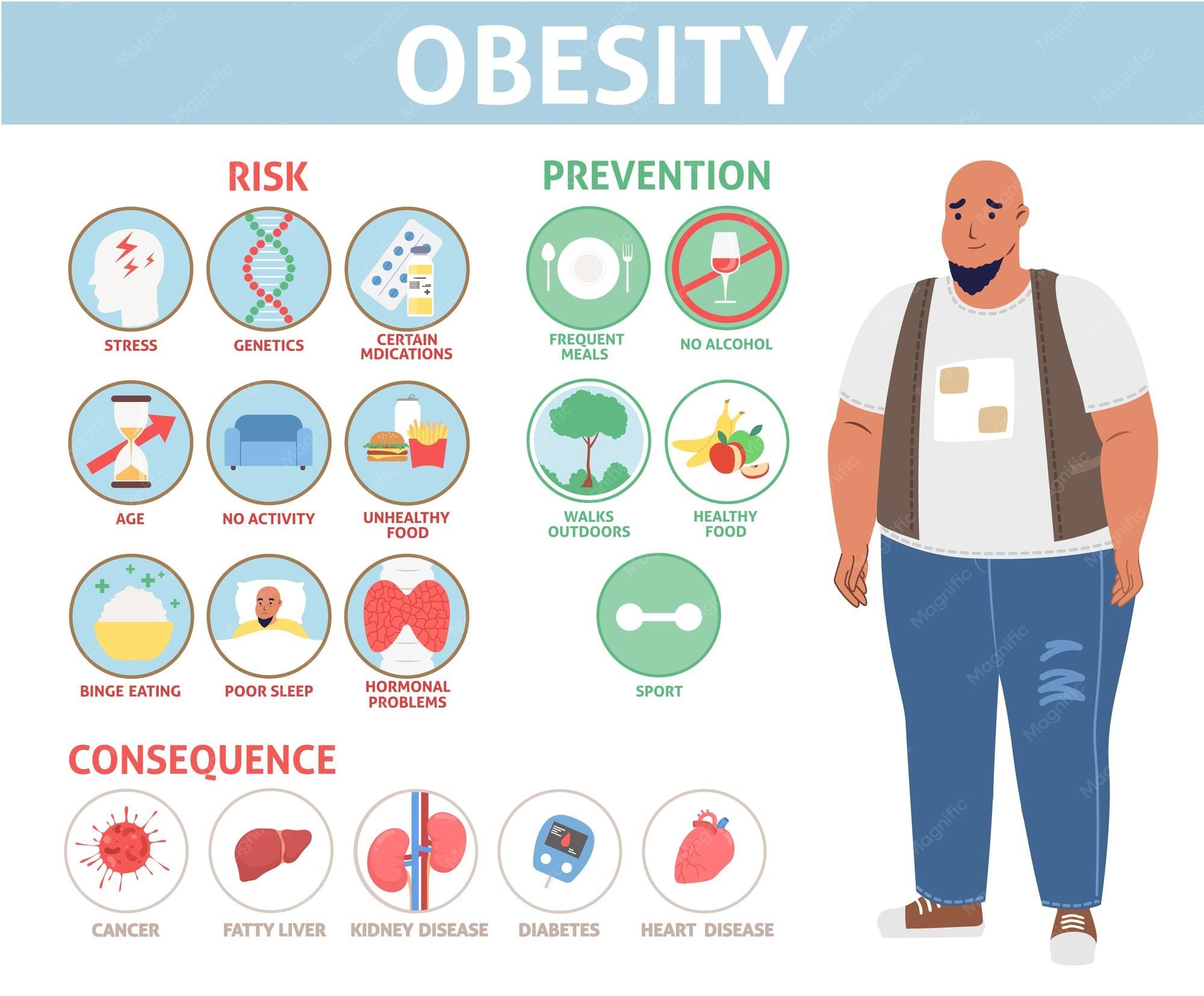
Body Mass Index and Metabolic Assessment
While BMI is an imperfect metric, it remains a useful starting point for conversations about metabolic health. Combined with waist circumference and other markers, it helps clinicians assess risk for cardiovascular and metabolic conditions.
Cancer Screenings by Demographic
Cancer screening recommendations vary significantly by age, sex, and risk profile. The table below summarizes widely accepted general guidelines.
| Colorectal cancer | All adults | 45 | Every 10 years (colonoscopy) or as advised |
| Breast cancer (mammography) | Women | 40 to 50 | Every 1 to 2 years |
| Cervical cancer (Pap/HPV) | Women | 21 | Every 3 to 5 years |
| Prostate cancer (PSA) | Men | 50 (or 45 if high risk) | Discuss with physician |
| Lung cancer (low-dose CT) | Adults with smoking history | 50 | Annually |
These timelines are starting points, not absolutes. Genetic predisposition, occupational exposure, and prior medical history can justify earlier or more frequent screening.
Screenings Often Overlooked
Mental Health Assessment
Depression and anxiety are prevalent yet frequently unaddressed, particularly among high-performing professionals. Routine screening using validated tools such as the PHQ-9 or GAD-7 takes minutes and can identify conditions that significantly impair function and quality of life.
Vision and Hearing Tests
Sensory decline often occurs gradually and can be mistaken for normal aging. Adults should have vision checked every two years and hearing evaluated every ten years until age 50, then more frequently.
Bone Density
Osteoporosis disproportionately affects women after menopause, but men are also at risk. Bone density testing is generally recommended for women at age 65 and for men at 70, with earlier testing for those with risk factors.
Sexually Transmitted Infection Screening
STI screening is essential for sexually active adults, particularly those with new or multiple partners. Many infections are asymptomatic and treatable, yet can cause serious complications if undetected.
Leveraging Technology for Preventive Health
Digital health tools are transforming how individuals manage screening schedules. Key applications include:
These tools improve convenience, but they require active engagement. A wearable that measures heart rate variability is only valuable if it prompts a conversation with a clinician when anomalies persist.
Building a Sustainable Screening Routine
Consistency matters more than intensity. A practical approach includes:
- Establishing a primary care relationship and scheduling an annual wellness visit
- Maintaining a personal health record with dates and results of prior screenings
- Reviewing family medical history periodically, as it directly informs risk
- Setting calendar reminders aligned with recommended intervals
- Discussing lifestyle factors, including diet, sleep, stress, and exercise, at each visit
Screenings are not a substitute for healthy daily habits, but they are an indispensable complement. They provide objective data that guides decisions, catches problems early, and ultimately extends both lifespan and healthspan.
Conclusion
Health screenings represent one of the highest-return investments available in personal wellness. They are affordable, evidence-based, and widely accessible. For professionals who optimize systems and workflows daily, applying the same discipline to personal health is a logical extension of that mindset. Know the screenings, respect the schedule, and treat prevention as a non-negotiable component of peak performance.