
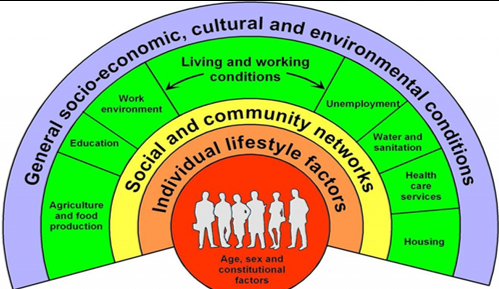
The Architecture of Illness: Understanding the Risk Factors Behind Common Diseases
In the era of precision medicine and data-driven diagnostics, understanding disease no longer relies on isolated symptoms or reactive treatment. Modern healthcare technology has reframed illness as the predictable output of intersecting variables — genetic predisposition, environmental exposure, behavioral patterns, and metabolic function. These variables are risk factors, and identifying them is the first step toward prevention, early intervention, and improved long-term outcomes.
This analysis breaks down the risk architecture behind the most prevalent diseases affecting global populations. By examining the interplay between modifiable and non-modifiable factors, clinicians, technologists, and patients can move from reactive care to predictive health management.
What Constitutes a Risk Factor?
A risk factor is any attribute, exposure, or characteristic that statistically increases the probability of developing a disease. In clinical informatics, risk factors are typically categorized along two dimensions:
- Modifiable factors: Behaviors and environmental conditions that can be changed — smoking, diet, physical activity, occupational exposure, and stress.
- Non-modifiable factors: Fixed biological and demographic attributes — age, sex, ethnicity, and genetic inheritance.
Understanding which category a factor belongs to directly informs intervention strategy. A modifiable risk factor is actionable; a non-modifiable one demands surveillance and early screening.
Cardiovascular Disease: The Convergence of Lifestyle and Genetics
Cardiovascular disease (CVD) remains the leading cause of mortality worldwide. Its risk profile is a textbook example of multifactorial etiology.
Primary Risk Factors
- Hypertension: Sustained elevated blood pressure damages arterial walls, accelerating atherosclerosis.
- Dyslipidemia: Elevated LDL cholesterol and triglycerides promote plaque formation.
- Smoking: Nicotine and carbon monoxide degrade endothelial function and increase clot formation.
- Diabetes mellitus: Chronic hyperglycemia injures blood vessels and nerves.
- Family history: A first-degree relative with early-onset CVD significantly raises personal risk.
Wearable technology and remote monitoring platforms now allow continuous tracking of heart rate variability, blood pressure, and glucose — transforming these risk factors from static data points into dynamic, manageable signals.
Type 2 Diabetes: A Metabolic Cascade
Type 2 diabetes emerges from the gradual failure of insulin sensitivity, driven largely by lifestyle and metabolic load.
Contributing Risk Factors
Digital therapeutics and continuous glucose monitors are now central to diabetes prevention, offering real-time feedback that reinforces behavioral change before clinical onset.
Cancer: Genetic Vulnerability Meets Environmental Exposure
Cancer risk is shaped by the interaction between inherited mutations and cumulative environmental insults.
| Tobacco use | Modifiable | Lung, bladder, esophageal |
| UV radiation | Modifiable | Skin (melanoma, carcinoma) |
| BRCA1/BRCA2 mutations | Non-modifiable | Breast, ovarian |
| Chronic inflammation | Mixed | Colorectal, hepatic |
| Obesity | Modifiable | Endometrial, renal, pancreatic |
Genomic sequencing and AI-driven risk models now allow clinicians to quantify individual cancer probability, enabling targeted screening protocols rather than generalized recommendations.
Chronic Respiratory Diseases: The Invisible Load
Conditions such as COPD and asthma are heavily influenced by environmental and occupational exposures.
- Air pollution: Particulate matter (PM2.5) and nitrogen dioxide irritate airways and reduce lung function.
- Occupational dust and fumes: Mining, construction, and manufacturing sectors carry elevated risk.
- Smoking and secondhand smoke: The single most significant modifiable factor for COPD.
- Genetic susceptibility: Alpha-1 antitrypsin deficiency is a well-documented inherited risk.
IoT-based air quality monitors and smart inhalers are emerging tools that help patients and providers track exposure and adherence in real time.
Neurodegenerative Disorders: Age, Genetics, and Lifestyle
Diseases such as Alzheimer’s and Parkinson’s present a complex risk landscape where age is the dominant non-modifiable factor.
Key Contributors
- Advancing age: The strongest predictor across neurodegenerative conditions.
- Family history and APOE-e4 allele: Genetic markers linked to late-onset Alzheimer’s.
- Cardiovascular risk factors: Hypertension and diabetes increase vascular contribution to cognitive decline.
- Social and cognitive engagement: Low mental stimulation correlates with higher dementia risk.
Neuroimaging, biomarker panels, and machine learning models are pushing diagnosis years earlier, opening a window for preventive intervention.
The Technological Imperative: From Risk to Prevention
The convergence of genomics, wearable sensors, electronic health records, and predictive analytics has fundamentally changed how risk factors are identified and managed. Risk is no longer a static label — it is a live, quantifiable, and increasingly modifiable signal.
Healthcare systems that integrate these technologies into routine care will be positioned to shift from episodic treatment to continuous prevention. The question is no longer whether we can identify risk — it is whether we will act on it in time.