In the realm of human physiology, stress is not merely a psychological state; it is a systemic biological event with measurable, often destructive, physical consequences. For technology professionals, biohackers, and health-conscious individuals, understanding the mechanics of stress is essential for optimizing performance and longevity. The following analysis examines how chronic stress degrades physical health, moving from the neurological triggers to the cellular damage that follows.
The Neuroendocrine Cascade: From Perception to Physiology
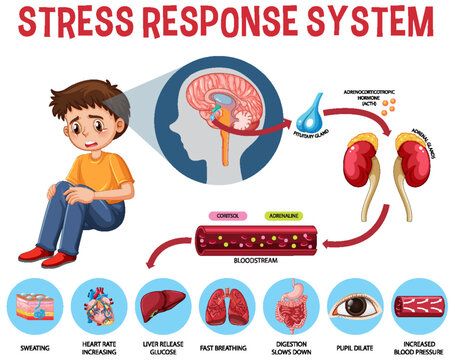
Stress begins in the brain, specifically in the hypothalamus, which acts as a command center. When the brain perceives a threat—whether a looming deadline, a server outage, or a financial concern—it activates two parallel pathways: the sympathetic-adrenal-medullary (SAM) axis and the hypothalamic-pituitary-adrenal (HPA) axis.
The SAM axis triggers the immediate release of catecholamines (epinephrine and norepinephrine), producing the classic “fight-or-flight” response: increased heart rate, elevated blood pressure, and rapid breathing. Simultaneously, the HPA axis initiates a slower, more sustained release of cortisol, the primary stress hormone. While adaptive in short bursts, chronic activation of these pathways shifts the body into a catabolic state, breaking down tissues and suppressing non-essential functions.
Cardiovascular Consequences: The Persistent Load
Frequent or sustained stress forces the cardiovascular system to operate under continuous pressure. Elevated cortisol and catecholamines constrict blood vessels, increase heart rate, and promote sodium retention. Over time, this leads to:
- Hypertension: Chronic vasoconstriction raises resting blood pressure, straining the heart and arterial walls.
- Arterial plaque buildup: Stress-induced inflammation accelerates atherosclerosis, narrowing arteries and increasing risk of heart attack or stroke.
- Arrhythmias: Excessive sympathetic stimulation can disrupt the heart’s electrical rhythm, leading to palpitations or atrial fibrillation.
Data from longitudinal studies indicate that individuals with high chronic stress have a 40–60% higher risk of developing cardiovascular disease compared to low-stress cohorts.
Immune System Dysregulation: The Glucocorticoid Effect
Cortisol is a potent immunosuppressant. In acute stress, this is beneficial—it prevents runaway inflammation. However, chronic stress causes glucocorticoid resistance, a condition where immune cells become desensitized to cortisol’s signals. The result is a paradoxical state: systemic inflammation increases while the body’s ability to fight pathogens decreases.
| Natural Killer (NK) cells | Mobilized into circulation | Reduced cytotoxicity |
| Pro-inflammatory cytokines | Transient increase | Sustained elevation (IL-6, TNF-α) |
| Antibody response to vaccines | Enhanced | Impaired |
| Wound healing | Normal | Delayed by 25–40% |
This immune dysregulation explains why chronically stressed individuals suffer more frequent colds, slower recovery from infections, and increased susceptibility to autoimmune flares.
Metabolic and Endocrine Disruption
Cortisol directly influences glucose metabolism. It stimulates gluconeogenesis in the liver, raising blood sugar to provide immediate energy. Under chronic stress, this becomes pathological:
Musculoskeletal and Neurological Damage
Stress manifests physically through muscle tension, particularly in the neck, shoulders, and lower back. This chronic tension can trigger tension headaches, temporomandibular joint (TMJ) disorders, and fibromyalgia-like pain. More critically, stress alters brain structure:
- Hippocampal atrophy: Elevated cortisol shrinks the hippocampus, impairing memory and learning.
- Amygdala hypertrophy: The fear center becomes overactive, heightening anxiety and emotional reactivity.
- Prefrontal cortex decline: Executive function, decision-making, and impulse control weaken.
These neurological changes are not merely psychological; they are visible on MRI scans and correlate with cognitive decline in aging populations.
Gastrointestinal and Dermatological Manifestations
The gut-brain axis is highly sensitive to stress. Cortisol alters gut motility, permeability, and microbiome composition. Common outcomes include:
- Irritable bowel syndrome (IBS): Stress exacerbates visceral hypersensitivity and altered bowel habits.
- Leaky gut: Increased intestinal permeability allows bacterial endotoxins into the bloodstream, driving systemic inflammation.
- Acne and eczema: Stress-induced inflammation and sebum production worsen skin conditions.
Mitigation Strategies for the Technical Mind
Given the clear physiological toll, stress management should be treated as a hardware optimization problem. Evidence-based interventions include:
Conclusion: Stress as a Systemic Threat
Stress is not an abstract mental state—it is a biochemical cascade that reshapes the cardiovascular, immune, metabolic, and neurological systems. For professionals in high-demand fields, ignoring chronic stress is equivalent to running critical infrastructure without thermal management. The physical consequences are cumulative, predictable, and often irreversible. By treating stress as a measurable physiological variable, individuals can implement targeted interventions to preserve both performance and health.
Leave a Reply