In the rapidly evolving landscape of digital health and personalized medicine, the precision of medication dosage and timing has become a cornerstone of effective treatment. For developers, health-tech innovators, and clinicians alike, understanding the science behind drug administration is not merely a clinical concern—it is a data-driven challenge. This article explores the mechanisms that govern dosage, the variables that influence timing, and the technological solutions that are transforming how we manage therapeutic regimens.
The Science Behind Dosage: Pharmacokinetics and Pharmacodynamics
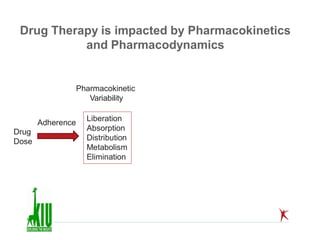
At its core, medication dosage is governed by two intertwined disciplines: pharmacokinetics (what the body does to the drug) and pharmacodynamics (what the drug does to the body). Pharmacokinetics encompasses four critical processes:
- Absorption: The movement of a drug from the administration site into the bloodstream. Bioavailability—the fraction of the drug that reaches systemic circulation—determines the initial dose required.
- Distribution: The dispersion of the drug throughout bodily fluids and tissues, influenced by factors such as blood flow, tissue permeability, and protein binding.
- Metabolism: The enzymatic breakdown of the drug, primarily in the liver. Genetic polymorphisms in cytochrome P450 enzymes can dramatically alter metabolic rates.
- Excretion: The elimination of the drug and its metabolites, chiefly via the kidneys, which dictates the dosing interval.
Pharmacodynamics, conversely, relates drug concentration to therapeutic effect. The therapeutic window—the range between the minimum effective concentration and the minimum toxic concentration—is the target zone for any dosing strategy. Precision here is non-negotiable: subtherapeutic doses breed resistance (particularly in antimicrobials), while supratherapeutic doses invite adverse events.
Key Variables That Influence Dosage Decisions
No two patients are identical, and dosage must be tailored to individual physiological and environmental factors. The following variables are critical inputs for any dosing algorithm:
| Body Weight & Composition | Larger body mass often requires higher doses; adipose tissue affects lipid-soluble drug distribution. | Integration with smart scales and EHR data for real-time adjustments. |
| Age | Pediatric and geriatric populations exhibit altered metabolism and excretion rates. | Age-specific dosing calculators and weight-based algorithms. |
| Renal & Hepatic Function | Impaired kidney or liver function demands dose reduction to prevent toxicity. | Lab-value APIs (eGFR, ALT/AST) for automated dose capping. |
| Genetic Profile | Pharmacogenomic variants (e.g., CYP2C19) dictate prodrug activation and drug clearance. | Genomic data pipelines and clinical decision support systems. |
| Drug Interactions | Competitive inhibition or induction of metabolic enzymes alters plasma concentrations. | Interaction-checking databases and NLP-driven medication reconciliation. |
Each variable introduces complexity, but modern health-tech platforms are increasingly capable of synthesizing these inputs into actionable, personalized recommendations.
The Critical Role of Timing: Chronopharmacology and Steady State
Timing is not an afterthought—it is a primary determinant of therapeutic success. The concept of steady state describes the point at which drug administration and elimination reach equilibrium, typically after four to five half-lives. Achieving steady state rapidly is often desirable, which is why a loading dose is sometimes administered followed by a lower maintenance dose.
Chronopharmacology—the study of how biological rhythms affect drug action—adds another layer. Consider the following:
For software architects designing medication reminder systems, these nuances must be encoded as rules. A simple push notification is insufficient; the system must account for drug-specific timing constraints, patient chronotype, and even time-zone shifts during travel.
Adherence Technologies: Bridging the Gap Between Prescription and Practice
Even the most elegant dosing regimen fails without adherence. Research consistently shows that approximately 50% of patients with chronic conditions do not take their medications as prescribed. Technology offers several pathways to improve this:
- Smart Pill Dispensers: IoT-enabled devices that track removal events and alert caregivers or clinicians when doses are missed.
- Digital Pills: Ingestible sensors that transmit a signal to a wearable patch upon contact with gastric fluid, creating a verifiable adherence log.
- Mobile Applications: Apps that combine reminders, gamification, and educational content to reinforce behavior, often integrated with pharmacy refill systems.
- AI-Driven Predictive Analytics: Machine learning models that identify patients at risk of non-adherence based on historical data, enabling proactive intervention.
However, these solutions introduce new challenges: data privacy, interoperability with electronic health records, and the digital divide that excludes less tech-savvy populations. Ethical implementation demands that technology augment—not replace—the clinician-patient relationship.
Precision Dosing: The Future of Personalized Therapeutics
The frontier of dosage and timing lies in model-informed precision dosing (MIPD). By combining population pharmacokinetic models with individual patient data—genomics, biomarkers, real-time physiological metrics—MIPD platforms can recommend doses that maximize efficacy while minimizing toxicity. Bayesian forecasting, already used in therapeutic drug monitoring for drugs like vancomycin and tacrolimus, is being extended to oncology and psychiatry.
For the tech community, this represents a fertile ground for innovation. The convergence of wearable biosensors, cloud computing, and regulatory-grade software (SaMD) is enabling closed-loop systems where dosage is continuously optimized. Yet, with great power comes great responsibility: validation, transparency, and regulatory compliance must remain paramount.
Conclusion
Understanding medication dosage and timing is a multidisciplinary endeavor that sits at the intersection of pharmacology, physiology, and data science. For professionals building the next generation of health technology, mastery of these principles is essential. Whether you are designing an adherence app, a clinical decision support tool, or a precision dosing engine, the goal remains constant: deliver the right dose at the right time to the right patient. In doing so, you transform raw data into better outcomes—and ultimately, into lives improved.
Leave a Reply